Study Abroad Goals? Everything to Know Before Class 11 Begins

1. First Step: Decide the Country
This is where everything begins.
Common choices students consider, Canada, Australia, New Zealand and UK (England). Each country has different requirements, timelines, and costs. Choose one country and stick to it.
If you keep changing, your preparation will become confused and delayed.
2. English Language Test, Start Early
Before anything else, your child needs to prove English proficiency. Popular exams:
IELTS (most widely accepted)
PTE (accepted by some universities)
The minimum requirement is usually 6.0 overall. A score of 7.0–7.5 is considered strong and opens better options. Even without coaching, students prepare using YouTube and online resources and still score well. The best time to take the test is Class 11 or early Class 12.
3. Academic Scores Matter, More Than You Think
Universities don’t just look at exams; they also look at school performance. Minimum: 60%+
Good universities: 75%+. Your subjects should match your course. Want to do BSc Biology? You should have studied Biology before. Want to do Commerce? A background in Commerce helps.
4. Choose Course Clearly, Don’t Keep Changing
This is where many students go wrong. Decide whether you want to do bachelor’s degree, Diploma and in which subject exactly. This clarity helps counsellors guide you better. You avoid confusion from too many options.
5. University Shortlisting, Do Your Own Research
Agents and counsellors will provide options, but don’t follow them blindly. What you should do is Google universities, check rankings, look at reviews, location, and fees. From India, we often don’t know which universities are actually good. If you just want to go abroad, you can rely more on agents.
6. Application Process, What Actually Happens
Once you shortlist universities, apply for an offer letter. It takes a few days to weeks. Application fee will be ~$90–150 (non-refundable). Receive the offer letter. Begin the visa process.
7. Financial Requirements, Important for Parents
For countries like Canada, you need to pay the first-year tuition fee. Around ₹5 lakh may be required in a special account (GIC). This money is returned in installments for living expenses.
Also proof of funds and financial support documents.
9. Important Documents Checklist
Make sure you prepare academic records, IELTS / SAT / other test scores, Statement of Purpose (SOP), Letters of Recommendation, passport and other financial documents.
10. When Should Preparation Start?
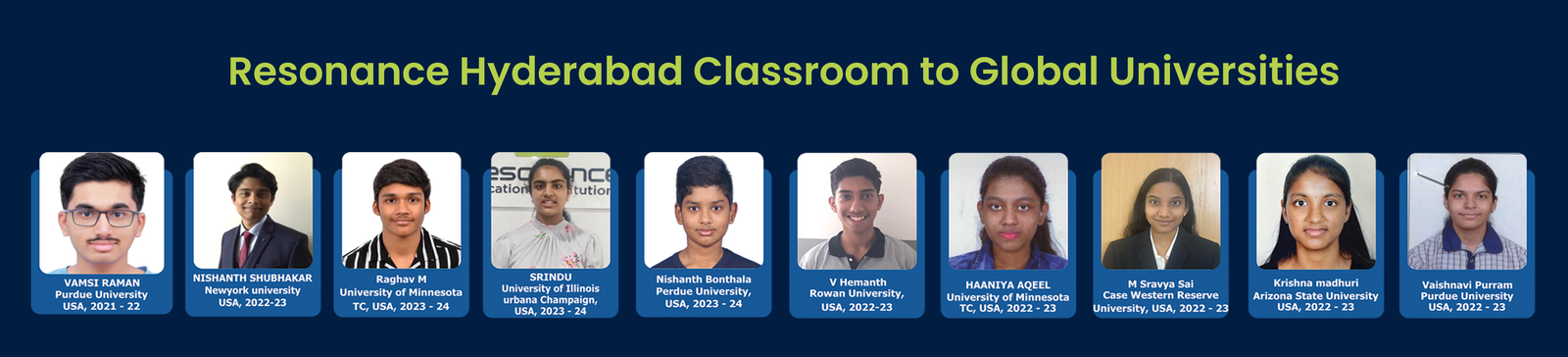
Honestly, the best time is before Class 11 or at the start of Class 11. Few institutes like Resonance Institutes give you in depth global studies prep for SAT & IELTS along with MPC since 11th itself. It’ll be helpful in both Indian higher studies and abroad higher studies.
We help in building a strong academic foundation, early awareness about exams like IELTS, SAT, encouraging extracurricular activities, sports, and social exposure, Helping students build confidence and clarity in career choices through mentoring. This kind of environment makes a big difference when your child plans to study abroad. Just remember:Start early, stay focused and be clear about goals.
FAQs:
1. How many universities should I apply to?
A. Generally, 5-7 is ideal—enough choices without feeling overwhelmed.
2. Which English test should I give?
A. IELTS is generally acceptable; PTE is accepted by some universities.
3. Should I settle my tuition fees before application?
A. For some nations, one needs to settle first year's fees before issuing visa.
4. Is early preparation useful for applying to Indian institutes as well?
A. Without any doubt, places such as Resonance prepare you academically and internationally.
5. Can I switch countries in between if I find another country better?
A. Yes, in theory, although it can cause delays in all processes.